Written by Katherine Moseley, an Axiom Maths online mentor
I started mentoring online with Axiom Maths back in 2022, and I became a Lead Mentor in 2024. At the moment, I lead seven circles with pupils from Year 7 all the way to Year 10.
I’ve always been interested in mathematical literacy and maths as a language. Seeing young mathematicians enjoy a side of maths built on patterns and problem-solving, not just right answers, is something I adore.
One of the best parts of being a lead mentor is getting to observe the fantastically different ways mentors work. I have a collection of shiny ideas I’ve magpied over the years from other mentors, and I sprinkle them onto other mentors like fairy dust! A few examples include Asking ”is your struggle productive?”, labelling slides with pupil names to give clear working space and using the word ”challenge” instead of ”problem” to shift mindset.
It’s a balancing act
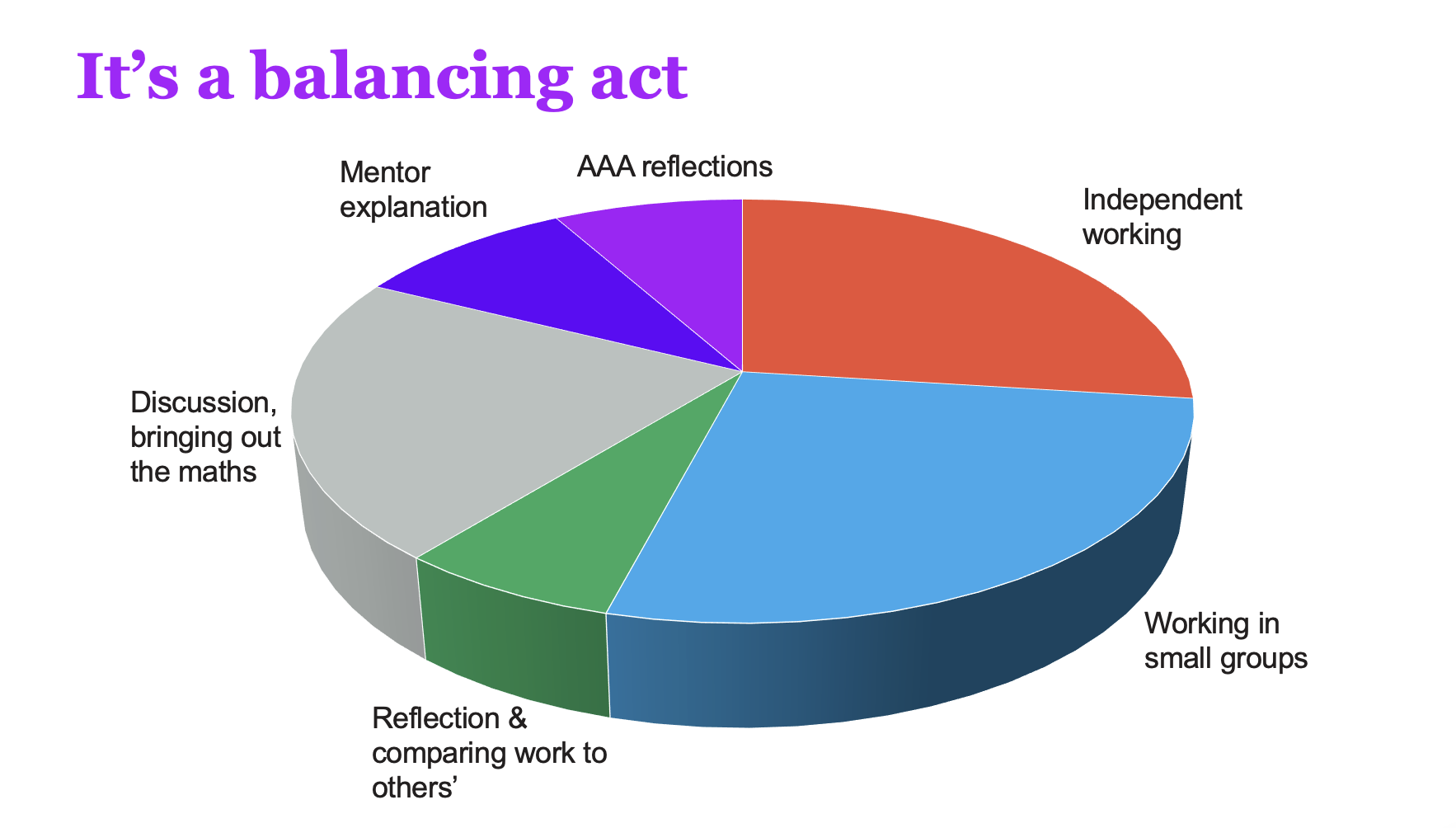
Thinking on your feet is something no amount of guidance can prep you for, but every mentor understands. A maths circle is only one hour, but there is so much you want to fit into it! Explaining an idea, letting pupils work independently, getting them talking in small groups, making time to compare their thinking, AAA reflections (where pupils think about how they’ve been Accepting, Adventurous and Articulate).
Mentors use their expertise and experience to interpret these priorities differently. There’s no single correct recipe which is what makes it interesting!
Help, or hijack?
Part of managing this balancing act is knowing when to step in. Picture a group that struggled last week. You can see from the session that this week’s going to be tough for them too, so you want to help.
But there’s a trap here. Give too little support and pupils struggle unproductively, which chips away at the confidence we’re trying to build. Give too much and you put yourself between the pupils – the talking-to-each-other stops, and week by week they start relying on you instead of each other.
Striking the right balance between guidance and autonomy is a fine line. I don’t always get it right. I’m not sure any of us do, but it’s a learning curve.
Why it’s worth the wobble
There are so many weekly moments which remind me why I mentor: every time a pupil comes up with an idea I never even considered, gives an explanation that is spot on, or when I get to hear them bouncing ideas off each other or troubleshooting together.
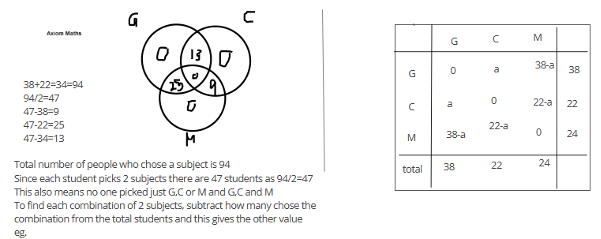
A pair of pupils couldn’t agree whether a Venn diagram or a two-way table would crack their problem, so they tried one each and compared notes. (The Venn diagram won.) That’s Accepting and Articulate in one go – two pupils listening to each other and reasoning out loud.
I also have a pupil whose microphone doesn’t work. They type in the chat, annotate, react, vote on ideas and keep pushing the group’s thinking forward. It’s a reminder that participation doesn’t always look or sound the same.
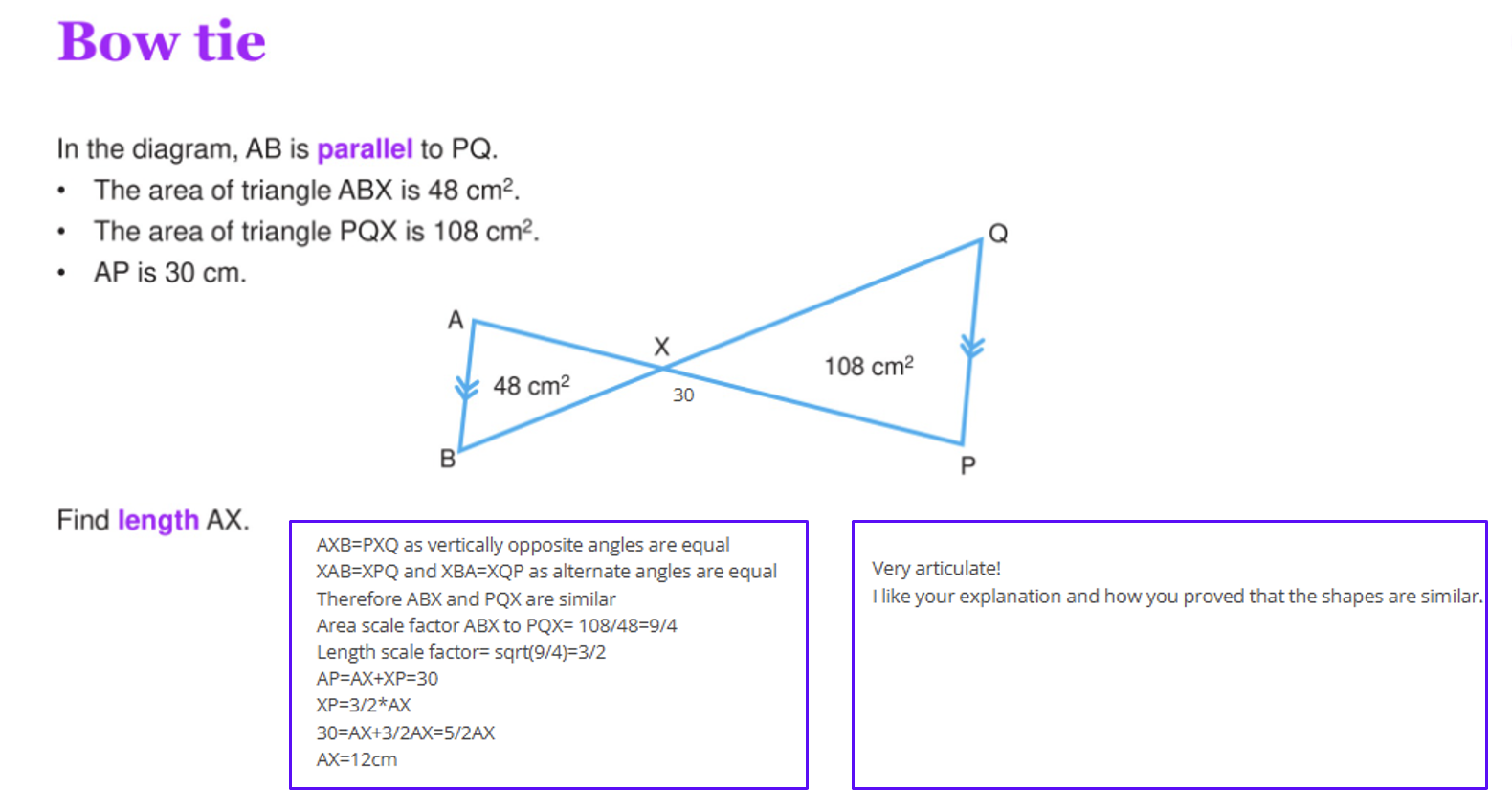
Then there was a Year 10 pupil who gave such a clear explanation of why two shapes were similar that another pupil jumped in to say how good it was. Watching pupils recognise brilliance in each other is the point.
The more I mentor, the more I realise the three As are more than mathematical behaviours. They’re ways of engaging with this messy world that pupils can take with them long after they leave maths circles.
We’re all figuring it out together
Every mentor is making these same small decisions, hour after hour, alongside a whole community of people who care about getting it right.
You certainly don’t need to arrive with every answer. The curriculum and resources are there to support you, and the real joy is watching pupils grow into mathematicians who reason far beyond what you imagined possible for their age.